How to Build a Cottagecore Wardrobe Without Looking Costumey
Build a cottagecore wardrobe that feels romantic, not costumey, by starting with everyday basics: a soft cream blouse, relaxed straight-leg jeans, a simple midi skirt, and a fine-knit cardigan in oat, moss, or faded blue. Add just one romantic detail per outfit—like a tiny floral print, puffed sleeve, or gingham skirt—and ground it with structured pieces and practical shoes. Keep accessories minimal and nature-inspired so the whole look feels dreamy yet totally wearable—and there’s more you can copy next.
What you will leave with
- Start with modern basics—straight-leg jeans, simple midi skirts, fine-knit cardigans—in natural fabrics like cotton and linen, then layer in cottagecore details.
- Stick to a soft, nature-inspired palette (cream, oat, moss, faded blue) so even romantic pieces feel subtle and wearable, not theatrical.
- Choose contemporary cuts with gentle vintage nods—square necklines, slight puff sleeves, bias skirts—rather than full prairie dresses or exaggerated ruffles.
- Balance one romantic piece per outfit, like a floral blouse or gingham skirt, with structured items such as blazers, loafers, or clean sneakers.
- Prioritize practicality for your real life—commuting, office, errands—so silhouettes, lengths, and shoes remain functional and naturally grounded.
Start With Everyday-Friendly Cottagecore Basics

Before you chase elaborate prairie gowns, ground your cottagecore wardrobe in pieces you can actually wear every day.
Start with cottagecore essentials that slip easily into your existing closet: a soft button-up blouse, relaxed straight-leg jeans, a simple midi skirt, a fine-knit cardigan.
Keep fabrics natural—cotton, linen, lightweight wool—so your everyday outfits breathe and move with you.
Choose natural fibers that drape, breathe, and soften with wear so your clothes feel alive with you.
Choose a muted palette first: cream, oat, moss, faded blue, warm brown. Let those shades repeat so everything quietly matches.
Add one or two patterned pieces, like a tiny floral shirt or a gingham skirt, instead of head-to-toe print.
Anchor every look with practical shoes—loafers, low boots, or clean sneakers—so you can move from desk to park without feeling costumed.
These basics make softness feel casually intentional.
Choose Romantic Details in Modern Silhouettes
Instead of slipping into full-on costume, weave cottagecore’s romance into silhouettes you already wear—think sharp blazers, clean A-line skirts, straight-leg trousers, and modern midi dresses.
Choose romantic fabrics that feel close to the skin: soft lawn cotton, washed silk, whisper-light voile. Let the sweetness live in the details, not the shape. Add a tiny lace collar to a crisp shirt, covered buttons on a blazer, a micro-ruffle tracing a neckline.
Look for modern cuts with vintage whispers—square necklines, gently puffed sleeves, bias-cut skirts that skim rather than billow. Keep prints delicate: scattered rosebuds, faded checks, narrow stripes.
When you dress, ask yourself: does this feel like a love letter I can wear to brunch, the office, or a late walk home in the city.
Balance Soft Pieces With Structured Elements
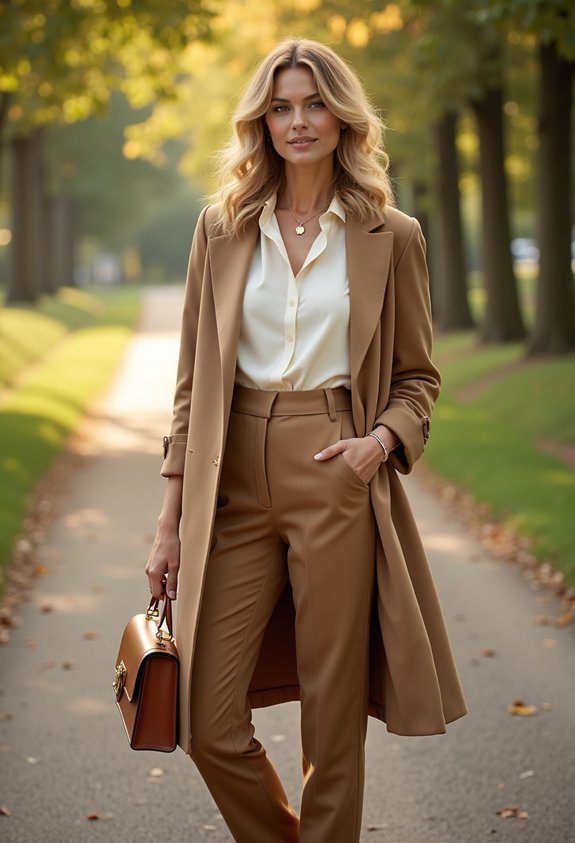
Those romantic details look freshest when you anchor them with structure. Let a corseted bodice hug over a soft cotton dress, or slip a sharp blazer over a ruffled blouse so the sweetness feels intentional, not theatrical.
Choose structured fabrics—denim, twill, crisp poplin—to ground floaty skirts and puff sleeves. Balance volume: if your top billows, keep your trousers tailored; if your dress is loose, cinch it with a firm belt.
Play with layering techniques that frame the body instead of hiding it. Try a fitted waistcoat over a prairie dress, or a cropped jacket over a long skirt.
Aim for one statement piece, then let everything else stay clean, minimal, and exquisitely simple. That tension keeps your cottagecore outfits wearable, modern, and quietly magnetic.
Stick to a Wearable, Nature-Inspired Color Palette
Even when you’re chasing whimsy, your cottagecore wardrobe feels most elevated when you root it in a nature-inspired palette.
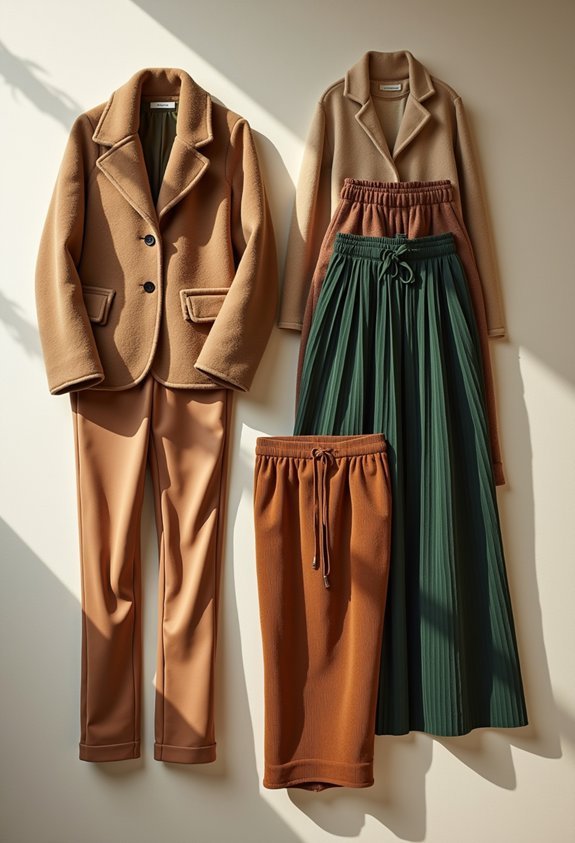
Think earthy tones first: creamy oat, moss, clay, and warm mushroom browns that feel like forest paths underfoot. Let them anchor your staples—cardigans, midi skirts, cropped jackets—so everything looks intentional, not theatrical.
Layer in pastel shades as soft highlights: dew-drop blue, petal pink, buttercream, and sage. Keep them slightly muted, as if the sun has gently faded them over time.
When you get dressed, ask if you’d see those colors outdoors at dusk or in a garden after rain. If the answer’s yes, you’re aligned. This keeps your outfits dreamy, but believable enough for the city sidewalk.
You’ll feel romantic, grounded, and quietly, irresistibly styled.
Mix Cottagecore Prints With Simple Neutrals

Once your colors feel grounded in nature, let prints become the focal point and keep everything else quiet.
Build outfits on neutral foundations: soft oatmeal knits, cream blouses, washed black denim, sand-toned trousers. Then layer in one romantic print at a time.
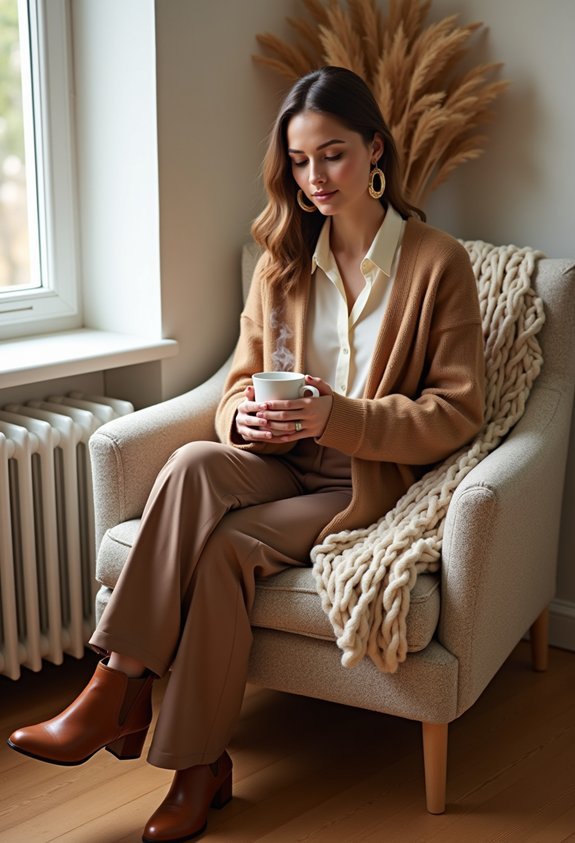
Try a tiny ditsy floral dress under a chunky camel cardigan, or a gingham skirt with a clean white tee. When you crave mixing patterns, keep scale and palette gentle—pair micro florals with wide stripes, or faded checks with barely-there sprigs.
If it feels busy, strip back a print, not a neutral. Aim for balance: one dreamy statement, everything else simple, modern, and wearable, like something you’d actually curl up in on a rainy afternoon.
That’s how your cottagecore looks effortlessly lived-in.
Accessorize Lightly to Avoid Looking Like a Costume
Although cottagecore leans nostalgic, keep your accessories minimal so you don’t slip into costume territory. Treat each outfit like a still from a quiet film: intentional, not overloaded. Choose one focal piece—a straw hat, a ribbon in your hair, or a woven basket bag—and let everything else whisper.
Reach for minimalist jewelry: a slim gold chain, tiny seed-pearl studs, a single vintage locket. If you love layered accessories, limit yourself to two or three delicate pieces that rest close to the skin, rather than clanking bangles or oversized chokers.
Skip gimmicky props like fake flower crowns or plastic parasols. Instead, honor texture and authenticity—linen scrunchies, soft socks, worn leather—so your look feels lived-in, never theatrical.
Let romance breathe in negative space around you softly.
Adapt Cottagecore to Different Seasons and Occasions

Because cottagecore is more mood than dress code, you can flex it for any season or setting without losing its softness.
Treat cottagecore as a feeling, not a formula, and let it soften every season and setting.
In spring, pair a ditsy-print dress with a cropped cardigan, sheer tights, and ankle socks; use light layering techniques so everything still feels airy.
Summer wants barely-there straps, breathable seasonal fabrics like cotton voile or linen, a straw bag, and flat Mary Janes.
For fall, ground florals with a wool blazer, ribbed socks, and dark leather boots.
Winterize your silhouette with a fitted turtleneck under a pinafore, fleece-lined tights, and a cocoon coat.
For occasions, trade straw hats for sleek hair bows, swap clogs for block-heel pumps, and keep prints small and colors muted for polish that still feels romantic, never overdone today.
Personalize the Aesthetic to Match Your Lifestyle
When you tailor cottagecore to your actual day-to-day, the vibe feels intentional instead of costume-y.
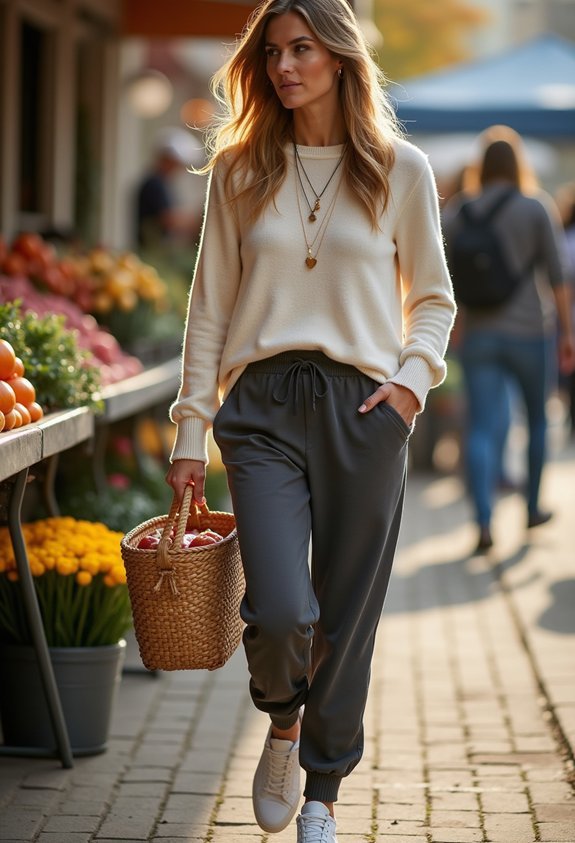
Start by listing your real routines—commuting, Zoom calls, weekend markets—and let those anchor your cottagecore inspirations. If you bike everywhere, choose midi skirts with movement, not floor-sweeping hems. For office days, layer a smocked blouse under a sharp blazer; keep the prairie, skip the cosplay.
At home, swap leggings for soft cotton house-dresses you can cook, read, and nap in. Edit accessories to match your personal style: maybe a single ribbon in your hair, a woven tote, a vintage locket. Aim for one romantic piece per outfit so the look whispers “cottage” while still feeling lived-in, modern, and completely you.
Layer knits for warmth, keep silhouettes light and unfussy.
In case you were wondering
How Can I Build a Cottagecore Wardrobe on a Very Tight Budget?
Build it by hunting dreamy thrift store finds, prioritizing cotton, linen, and muted florals. Crop cardigans, cinch waists, and shorten hemlines with DIY alterations. Layer slip dresses, chunky knits, and scuffed boots for lived-in romance.
What Cottagecore Pieces Work Best for Plus-Size or Curvy Body Types?
Choose soft wrap dresses and smocked midi frocks that follow your curves, creating flattering silhouettes. You’ll add puff-sleeve blouses, cozy cardigans, and high-rise skirts for versatile layering. Prioritize breathable fabrics, prints, and waist-defining belts daily.
Can Men or Masc-Presenting People Wear Cottagecore Without Leaning Into Historical Cosplay?
You absolutely can; ground knits and relaxed trousers with masculine florals, then layer subtle cottagecore accessories—leather belts, vintage watches, textured socks. Keep silhouettes modern, colors muted, and you’ll read romantic, not reenactor, in every room.
How Do I Care for Delicate Fabrics so Everyday Cottagecore Pieces Last Longer?
Treat each dress like pressed flowers; you handle them softly. Prioritize delicate fabric care: cold washes, bags, flat dry, steam not iron. For everyday maintenance, spot-clean promptly, rotate wear, store pieces loosely, never cram closets.
Are There Ethical or Sustainable Brands That Fit a Cottagecore Aesthetic?
Yes, you lean into labels like Christy Dawn, Linenfox, and Not Perfect Linen; choose floaty dresses in sustainable fabrics, check ethical sourcing pages, prioritize small-batch production, and let florals, smocking, and natural palettes whisper romance.
Conclusion
So build your cottagecore wardrobe with intention: start with soft, wearable basics, layer in romantic details, balance floaty fabrics with clean lines. Choose colors that feel like the outdoors, mix prints with grounding neutrals, add accessories that whisper instead of shout. Adapt it for work, weekends, and weather. When you treat cottagecore as a lifestyle, not a costume, you don’t just dress the trend—you live it, edit it, and make it unmistakably yours.

Can you be more specific about the content of your article? After reading it, I still have some doubts. Hope you can help me. https://accounts.binance.com/id/register-person?ref=UM6SMJM3
Thanks for sharing. I read many of your blog posts, cool, your blog is very good. https://accounts.binance.info/it/register-person?ref=P9L9FQKY